About Lead wire cable
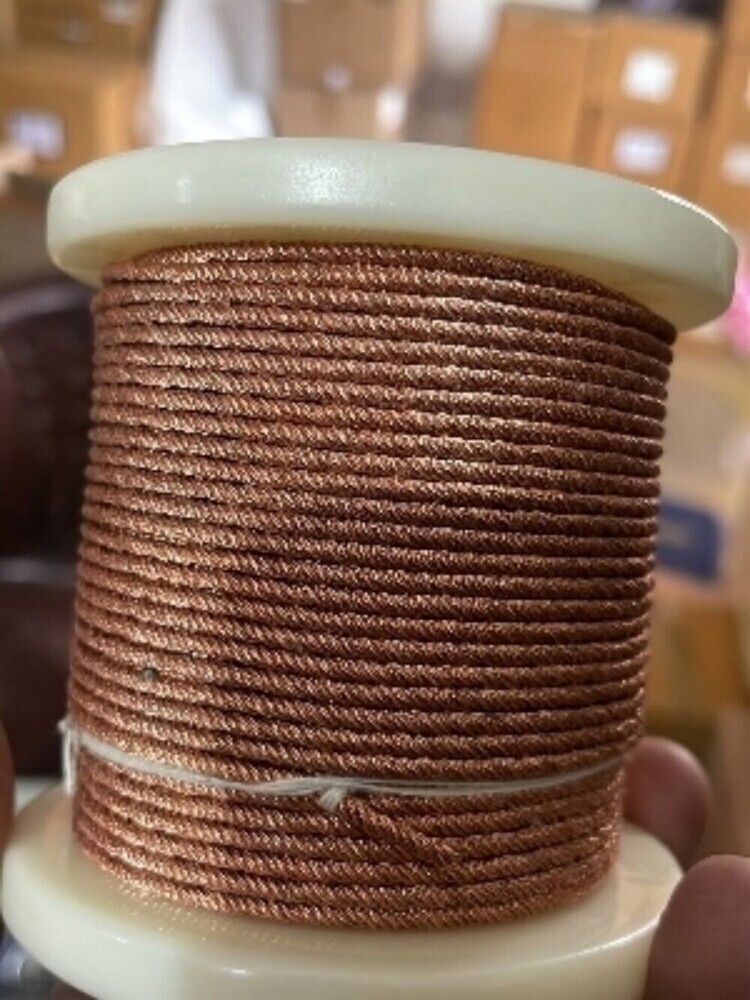
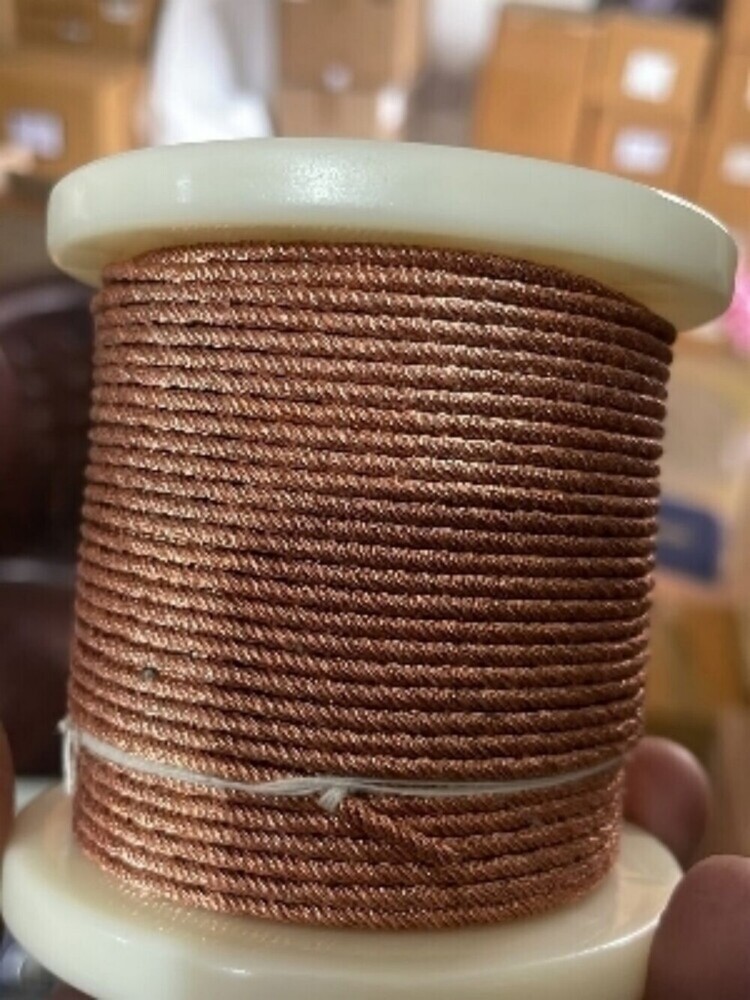
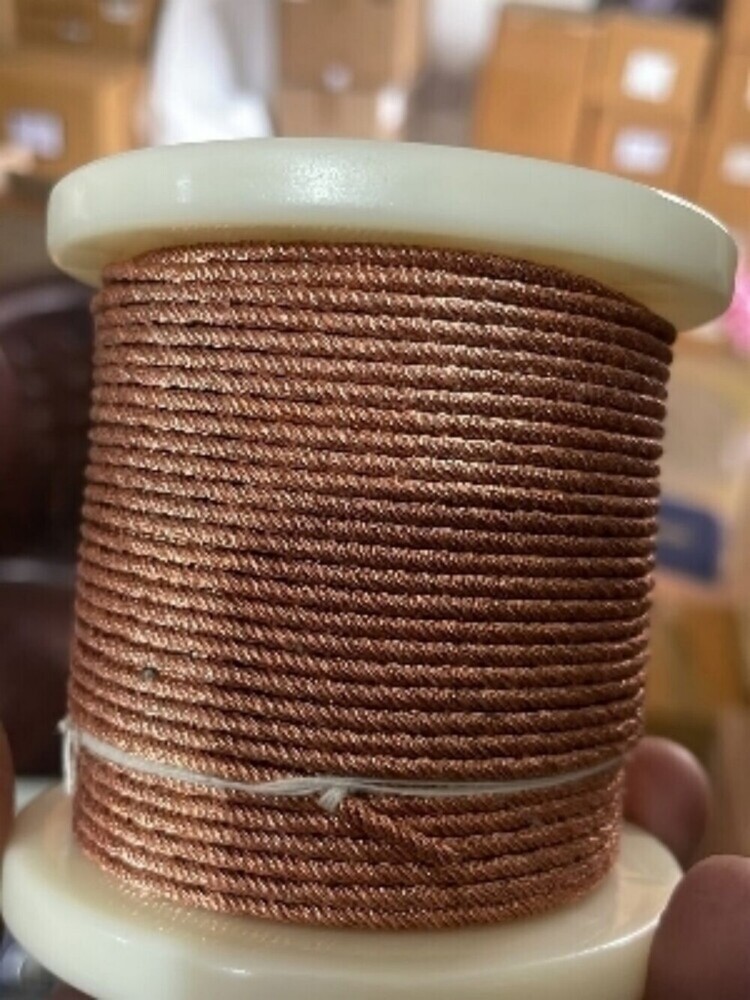
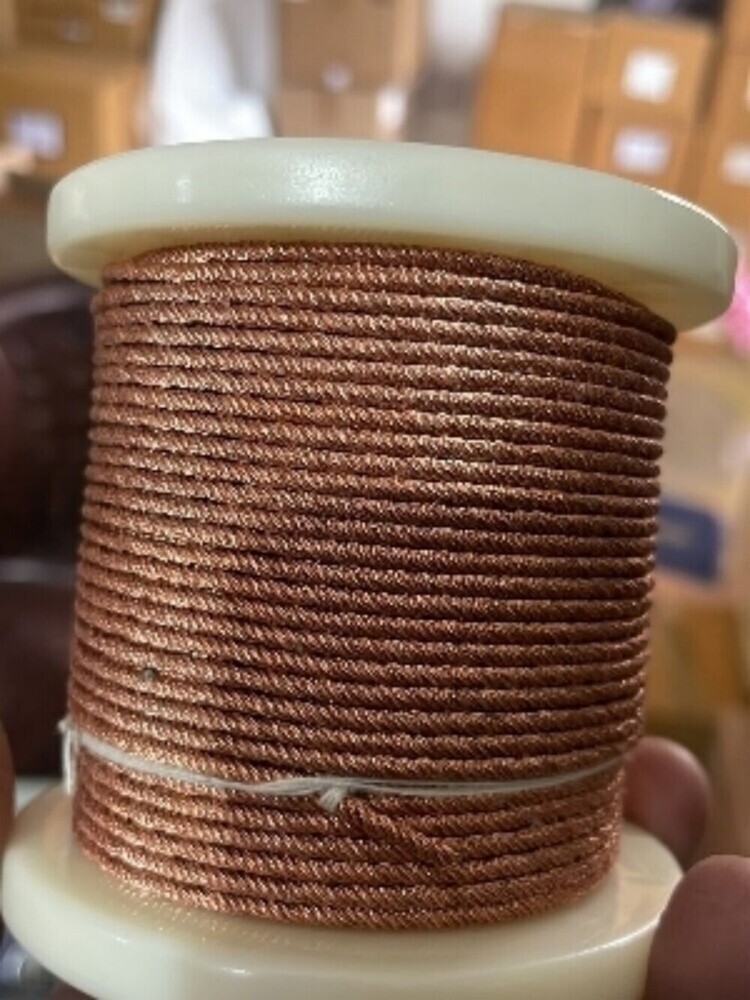
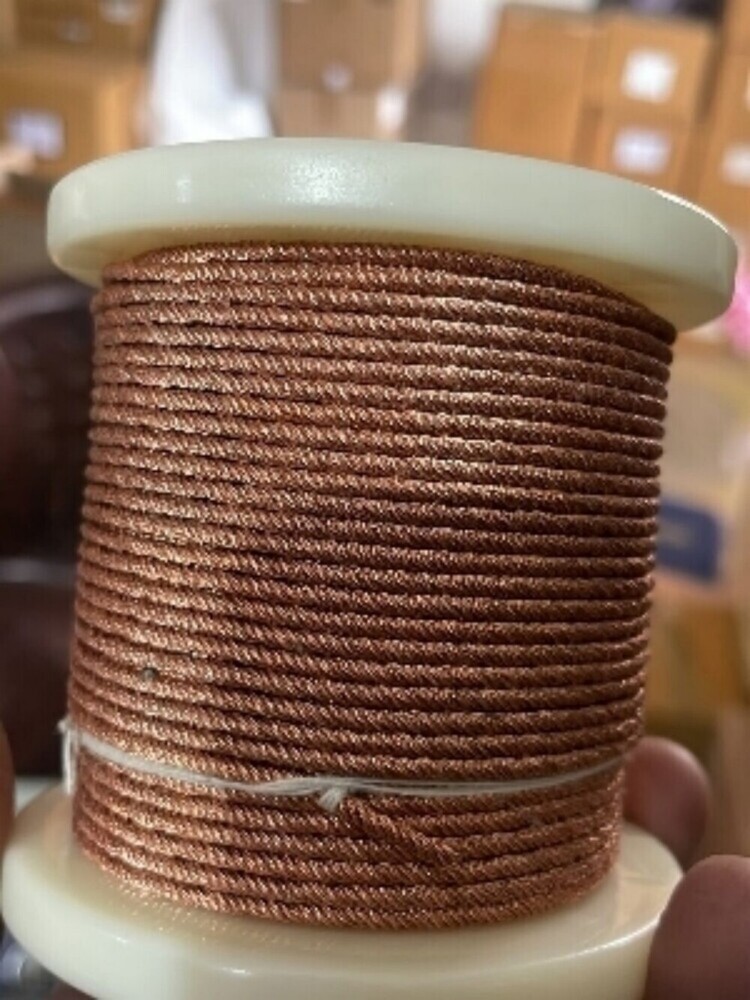
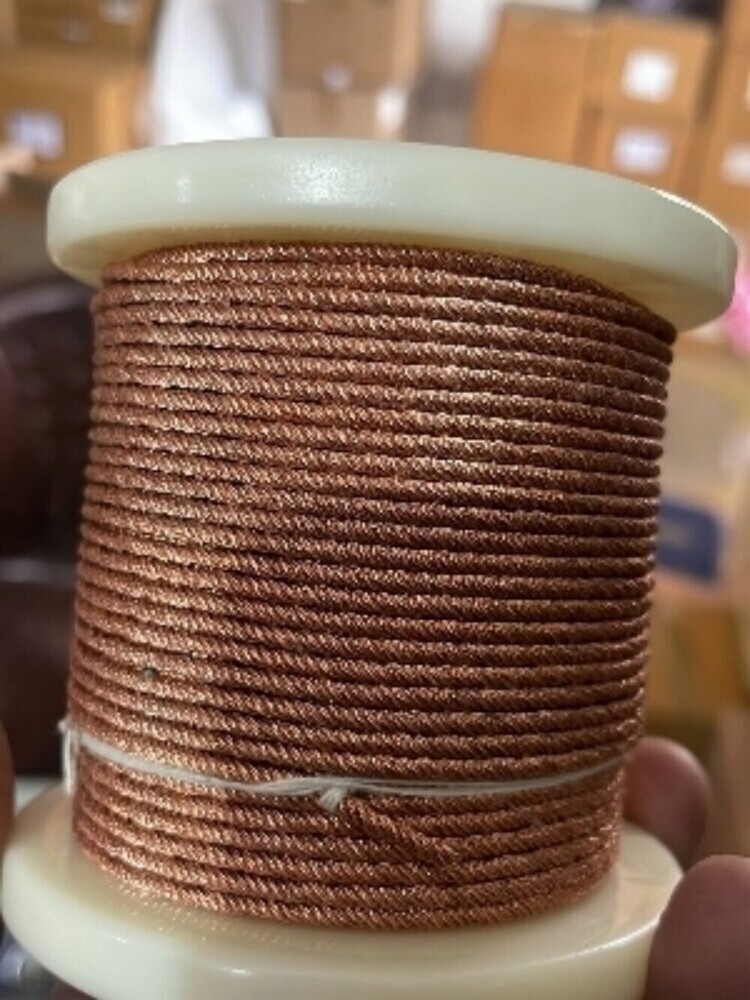
This product appears to be a high conductivity copper braided wire wound on a spool. It is manufactured from multiple fine copper strands braided together to provide excellent flexibility, durability, and electrical conductivity.
Key Features:
- Made from high quality bare copper braided strands
- Excellent electrical conductivity and low resistance
- Highly flexible and bendable for easy installation
- Resistant to vibration and mechanical stress
- Uniform braided construction for enhanced strength
- Supplied on a convenient spool for easy handling and storage
Applications:
- Electrical grounding and earthing systems
- Transformer and switchgear connections
- Motor, generator, and panel board wiring
- Battery and inverter connections
- Flexible electrical connectors and jumpers
- Industrial and automotive electrical applications
Appearance:
The wire has a copper colored braided finish with a tightly woven structure, providing both flexibility and reliable current carrying performance. It is neatly wound on a plastic spool for protection and ease of use.
Versatile ApplicationsDesigned for flexibility, these lead wire cables fit a wide range of uses, including household appliances, industrial control panels, automotive wiring, and electronic circuit integration. Their robust construction ensures reliable performance in diverse industries, supporting both AC and DC wiring requirements efficiently.
Superior Material QualityUtilizing premium tinned or annealed copper as the conductor, along with PVC, FR PVC, or XLPE insulation, these cables deliver high electrical performance and safety. Customizable shielding, core options, and colors ensure compatibility with both standard and specialized projects.
Custom Sizes and PackagingCables can be ordered in standard 90-meter rolls or tailored to your specific length and gauge requirements. A variety of sizes and color options help meet aesthetic and functional needs, making installation straightforward and integration seamless for any application.
FAQ's of Lead wire cable:
Q: How do I choose the right lead wire cable for my application?
A: Selecting the appropriate lead wire cable depends on your application's voltage, temperature rating, current requirements, and environment. Consider whether you need single or multi-core, as well as insulation type (PVC, FR PVC, or XLPE). If you require flame retardancy or shielding, ensure these are specified in your order.
Q: What is the process for customizing cable length and size?
A: To request a custom length or gauge, simply specify your required dimensions, packaging preference, and any additional features such as shielding or color. Our manufacturing team will provide the cables cut and packed to your exact specifications.
Q: When should shielded cables be used instead of unshielded ones?
A: Shielded cables are recommended when the installation is in environments prone to electromagnetic interference (EMI) or if sensitive signal transmission is critical. For standard household or low-interference environments, unshielded cables are typically sufficient.
Q: Where can these lead wire cables be installed?
A: These cables are suitable for use in household appliances, industrial control panels, automotive systems, lighting setups, and various electronic devices. Their robust construction supports both indoor and sheltered outdoor installations, provided they are used within the recommended temperature and voltage ranges.
Q: What are the benefits of using tinned copper conductors?
A: Tinned copper conductors offer superior resistance to corrosion and oxidation compared to bare copper, enhancing the cable's longevity, especially in humid or corrosive environments. This ensures consistent performance and reliability over time.
Q: Can I use these cables for both AC and DC wiring?
A: Yes, our lead wire cables are designed to support both alternating current (AC) and direct current (DC) wiring, making them versatile for a variety of electrical and electronic applications.




 Send Inquiry


 Send Inquiry
